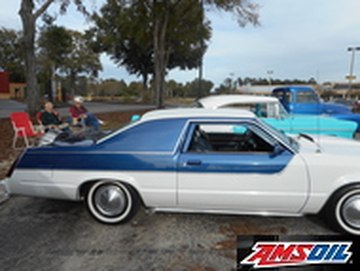
Engine Lubrication and Maintenance for the 1980 Mercury ZEPHYR 3.3L
Maintaining a vehicle from the early 1980s requires a shift in perspective compared to modern automotive care. For an owner of a 1980 Mercury ZEPHYR equipped with the 3.3L engine, routine service is not just about following a schedule; it is about monitoring the physical condition of aging components and ensuring that lubrication remains effective despite the passage of time.
Monitoring Fluid Integrity and Potential Seepage
As vehicles age, the materials used in gaskets and seals can undergo changes in elasticity. For the 1980 Mercury ZEPHYR, regular visual inspections are a primary tool for identifying potential issues before they escalate. Rather than waiting for a significant leak to occur, owners should look for signs of seepage around various engine junctions.
When performing routine checks, pay close attention to the following areas:
- Sealing Surfaces: Inspect the areas where major engine components meet to see if there is any evidence of oily residue or dampness.
- Drain Areas: Check the area beneath the vehicle and around the oil pan for any active dripping or staining on the ground.
- Gasket Condition: Look for signs of weeping from various covers or interfaces that may indicate a seal is no longer providing an airtight or watertight barrier.
It is important to note that finding a small amount of residue does not always indicate an immediate failure, but it does serve as a signal to monitor the area more closely during subsequent inspections. Consistent observation allows you to distinguish between a minor, stable seepage and an active leak that requires attention.
Observing Changes in Engine Operation
Beyond visual inspections of fluids, the way the 3.3L engine behaves can provide valuable information regarding its lubrication status. Because symptoms can often be associated with multiple different mechanical causes, any change in operation should be treated as a prompt for investigation rather than an immediate diagnosis.
Owners should remain alert to several indicators:
- Changes in Lubricant Appearance: If you are checking the oil level manually, note if the color or texture of the fluid appears significantly different than usual.
- Unusual Noises: Any new mechanical sounds that coincide with engine startup or operation should be investigated to ensure internal components are receiving adequate lubrication.
- Exhaust Observations: While exhaust smoke can be caused by many factors, changes in the color or frequency of smoke may warrant a closer look at how the engine is consuming fluids.
If you notice any of these signs, it is best to consult service documentation or a professional to determine the exact cause, as symptoms like unusual noise or fluid consumption can stem from various sources ranging from simple sensor issues to more complex mechanical concerns.
Prioritizing Long-Term Maintenance Decisions
For a vehicle that has been in service for several decades, maintenance should be driven by the current condition of the machine rather than just its age. Establishing a baseline is essential, especially if the previous service history of the 1980 Mercury ZEPHYR is not fully documented.
If you are beginning to manage this vehicle's upkeep, start by reviewing any available repair records. If no records exist, your first priority should be to document every fluid change, filter replacement, and inspection. This creates a history that helps you identify patterns—such as whether the engine is consuming more oil than it used to or if certain seals are consistently weeping.
When deciding where to allocate time and resources, address active concerns first. An active leak or a noticeable change in fluid condition takes precedence over general preventive measures. By focusing on what the vehicle actually needs based on its current state, you can manage maintenance more effectively without performing unnecessary replacements of parts that are still functioning correctly.
Managing Aging Engine Components
In addition to lubrication, other components that rely on flexibility or electrical conductivity may require attention as they age. For example, if the vehicle is equipped with various drive belts, these should be inspected for signs of deterioration such as cracking, glazing, or fraying. Similarly, any rubber hoses present in the engine bay should be checked for softness, brittleness, or swelling.
Electrical connections and wiring also benefit from periodic inspection. Over time, connectors can become brittle or develop corrosion, which may affect how various systems communicate. By incorporating these checks into your routine oil service, you ensure that the vehicle's overall health is being monitored holistically.
Practical Steps for Effective Ownership
Effective ownership of a classic vehicle like the 1980 Mercury ZEPHYR involves a combination of proactive monitoring and organized record-keeping. Instead of reacting to failures, aim to stay ahead of them by observing the vehicle during every service interval. This includes checking not just the oil, but also looking at the condition of air filtration components and ensuring that all fluid levels are within their appropriate ranges.
Maintaining a clean engine bay can also be a highly effective maintenance strategy. A clean environment makes it much easier to spot new leaks or signs of seepage early on. If an area is covered in old grime, a fresh leak might go unnoticed for weeks, potentially leading to more significant issues.
Buying Engine Oil for your 1980 Mercury ZEPHYR 3.3L
When it is time to replenish the lubrication in your engine, the most critical step is ensuring that the product you select matches the specific requirements of your application. For this vehicle, do not rely on general assumptions about what an older engine might need; instead, match the engine oil to the application-specific viscosity information already displayed on this page.
As you shop for lubricants, consider the following practical advice:
- Verify Product Labels: Always check the container to ensure the SAE viscosity and API service classifications align with the data provided in your vehicle's application information.
- Evaluate Formulations: Depending on your specific needs, you may encounter conventional oils, synthetic blends, or full synthetic options. Some high-mileage oil formulations contain additives intended for use in aging engines, including seal-conditioning additives that may be relevant to your maintenance strategy.
- Check Certification: Ensure the oil carries the appropriate modern API certification to guarantee it meets current standards for engine protection and deposit control.
By strictly adhering to the viscosity and application details listed on this webpage, you ensure that the 3.3L engine receives the specific type of lubrication it requires for continued operation.